Detox Massachusetts, safely
Medical detox helps someone stop drinking or using drugs with medical supervision. Detox Massachusetts programs number 53, all listed through SAMHSA. Here is how to compare care and pay for it.
- programs near Massachusetts
- 53
- take Medicaid
- 48
- take private insurance
- 51
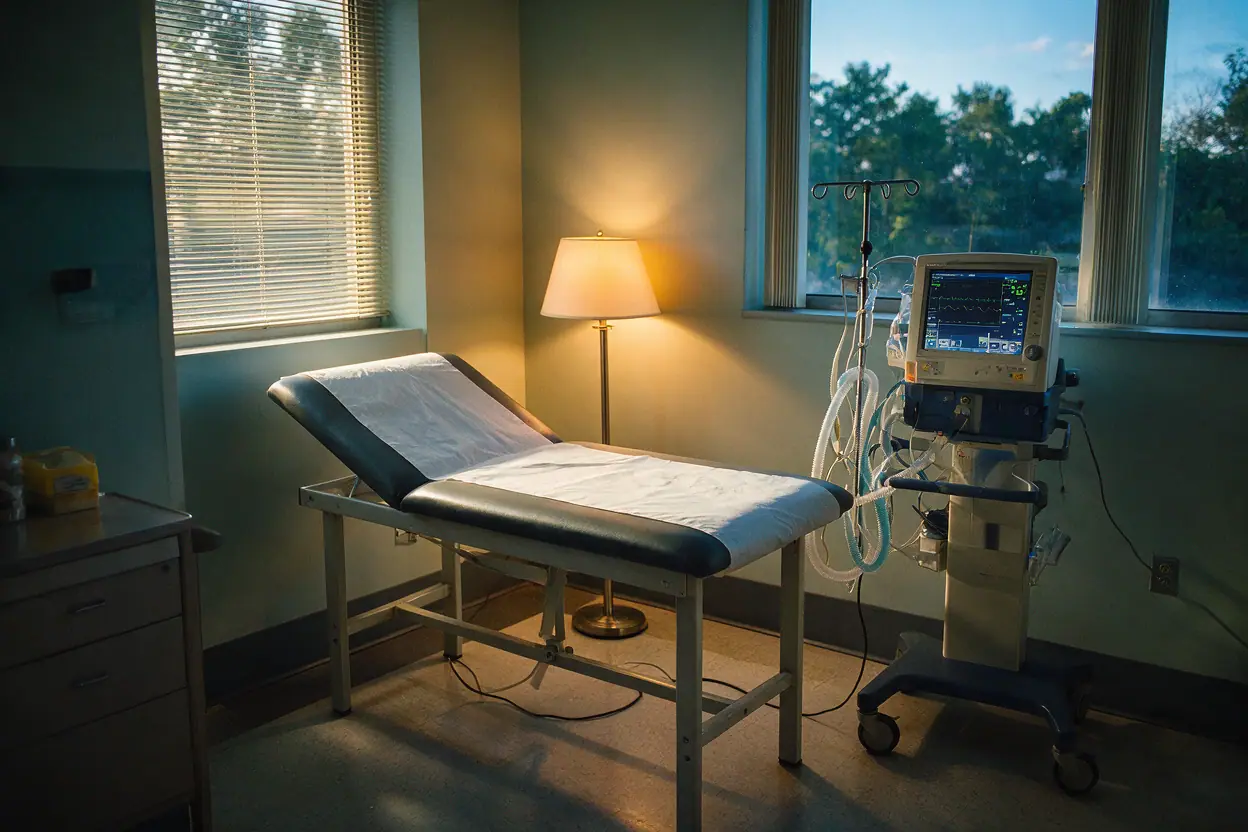
Detox Massachusetts programs are the first stage of treatment for someone who needs to stop a substance safely, and 53 facilities listed by SAMHSA provide this level of care in the state, meaning 24-hour monitoring during withdrawal. A typical day includes a health assessment, vital-sign checks, medication to ease symptoms, meals, rest, and a check-in on how the person is doing. Staff watch for complications and help arrange the next level of care, such as inpatient rehab or an outpatient program. Detox is preparation, not full treatment on its own. Compare medical detox and rehab options across Massachusetts with one free, confidential call to treatment advisors before you decide anything.
The setting for care shapes the experience. Hospital detox means emergency care is close by, whereas a standalone center may feel smaller and calmer. Either might be right given someone's health history. Of the 53 listed facilities, 36 offer dual diagnosis services for people having an addiction disorder as well as a mental health condition. Dual diagnosis treatment in Massachusetts matters here because untreated mental health needs often undermine early recovery. Ask how overnight monitoring works, and who evaluates the person if something changes.

Who medical detox in Massachusetts fits
- Someone who drinks heavily every day and wants to stop. Alcohol withdrawal can be dangerous without medical supervision, so a supervised setting is the safer choice.
- People who use opioids or benzodiazepines, or who have experienced withdrawal before. Stopping these substances abruptly carries greater risk, and medical staff should supervise the process.
- Anyone with a co-occurring mental health condition. Of the 53 listed detox facilities in Massachusetts, 36 offer dual diagnosis care, which addresses both issues together.
- People who need Spanish-language services. Twenty-two of the listed detox facilities in Massachusetts offer Spanish, according to SAMHSA listings.
Finding detox programs in Massachusetts
Across the state, 53 facilities listed by SAMHSA offer medical detox. Most accept private insurance (51) or Medicaid (48), and 39 accept Medicare. Eight offer a sliding fee scale, which can help when income is tight. Availability varies by region; greater Boston holds the largest share, and programs are also listed in cities such as Brockton, Worcester, and Springfield. Rehab centers across Massachusetts differ widely in bed availability, so call to confirm current openings and accepted payment. If a program has no bed today, then ask the advisor about nearby facilities that can admit sooner.
If you are helping a family member, ask about visiting rules, phone access, and what happens at discharge. A good program explains how it hands off to the next level of care, whether inpatient rehab, a partial hospitalization program, or intensive outpatient services. If the person needs medication for opioid use disorder, ask whether the facility can start it or connect them to a provider who can. Rehab centers that accept Massachusetts Medicaid are the fastest path for many families, and the helpline can narrow the list.

- take Medicaid
- 48
- take private insurance
- 51
- take Medicare
- 39
- offer a sliding fee
- 8
| Provider | City | Levels of care | Takes |
|---|---|---|---|
| Recovery Centers of America | Danvers | Detox, Residential, PHP, IOP, Outpatient, OTP | Medicaid, Insurance |
| Lahey Health Behavioral Services | Danvers | Detox, Residential, Outpatient, OTP | Medicaid, Medicare, Insurance |
| Southcoast Behavioral Health Hospital | North Dartmouth | Detox | Medicaid, Medicare, Insurance |
| North Charles Institute for the Addict | Cambridge | Detox, Outpatient, OTP | Medicaid, Medicare, Insurance, Sliding fee |
| Spring Hill Recovery Center | Ashby | Detox, Residential | Insurance |
| VK New England Management LLC | Attleboro | Detox, Outpatient | Medicaid, Medicare, Insurance |
| Clearbrook Treatment Center MA LLC | Baldwinville | Detox, Residential, OTP | Medicaid, Insurance |
| North Charles Institute for the Addict | Cambridge | Detox, Outpatient, OTP | Medicaid, Medicare, Insurance, Sliding fee |
| Middlesex Recovery PC | Chelmsford | Detox, Outpatient | Medicaid, Medicare, Insurance |
| CREATE Health and Wellness | Concord | Detox, PHP, Outpatient | Medicaid, Medicare, Insurance, Sliding fee |

Paying for detox in Massachusetts
Insurance is accepted at most detox programs in Massachusetts, and the numbers listed bear that out: 51 of 53 take private insurance, 48 take Medicaid, and 39 take Medicare. Because Massachusetts expanded Medicaid, many adults with low incomes may be eligible through MassHealth; confirm eligibility before you decide that cost makes care impossible. Eight facilities use a sliding fee scale tied to income. Federal parity law generally holds mental health and substance use disorder benefits to the same terms as medical benefits. If your plan says no, request a written explanation and appeal the decision, and verify coverage before admission rather than afterward.
Common questions
How many detox facilities are in Massachusetts?
According to SAMHSA FindTreatment.gov listings, 53 facilities in Massachusetts offer medical detox. Of those, 48 accept Medicaid, 51 accept private insurance, and 39 accept Medicare, while eight offer a sliding fee scale. Counts shift as programs open and close, so call to confirm current availability and payment options.
How do detox and rehab differ?
Detox manages withdrawal and stabilizes the body, while rehab provides ongoing counseling and therapy to help someone maintain recovery. Detox alone is usually not enough. In Massachusetts, 85 facilities offer inpatient or residential rehab as a step after detox, so ask how the program hands off to that next level.
Does MassHealth cover detox in Massachusetts?
MassHealth, the state Medicaid program, covers medically necessary detox for eligible members, and 48 of the 53 SAMHSA-listed detox facilities in Massachusetts accept Medicaid. Coverage rules vary by plan, so call the program and MassHealth to confirm benefits before admission rather than assuming either way.
Can you involuntarily commit someone to detox in Massachusetts?
Massachusetts has a court process, often called Section 35, that can order someone into treatment for a substance use disorder in specific circumstances. It is not the same as a voluntary admission. For most families, a voluntary assessment comes first. Legal guidance can clarify whether it applies to your situation.
How long does detox take in Massachusetts?
How long it takes depends on the substance and on the person's health. With alcohol, withdrawal usually peaks in a few days, while opioid withdrawal may go on for a week or longer. Quitting benzodiazepines and alcohol can be dangerous so medical staff should supervise it, and staff decide when someone is stable enough to move to the next level of care.
Will detox in Massachusetts accept my insurance?
Most SAMHSA-listed detox facilities in Massachusetts accept private insurance (51 of 53) and Medicaid (48), and 39 accept Medicare. Coverage still depends on your plan, so ask the facility to check benefits for you. The federal parity law generally requires substance use coverage to match medical coverage.